


T he Case for Flexibility: What It Means for Talent Strategy. Flexibility in talent strategy goes beyond remote working or flexible hours. It’s about creating dynamic, responsive, and scalable resourcing models that can address the unique needs of each project or transformation effort.
A flexible approach ensures organisations can:
Adapt to changing priorities with ease.
Access specialised expertise on-demand.
Optimise resourcing costs without sacrificing quality.
Foster innovation through diverse, cross-functional teams.
In traditional models, rigid hierarchies and long lead times for hiring can stifle innovation and slow progress. A flexible talent strategy replaces these constraints with agility, empowering organisations to stay ahead of the curve.
Real-World Success Stories: Flexibility in Action
Accelerating Digital Transformation in Financial Services
A leading financial services provider faced mounting pressure to modernise its technology infrastructure while ensuring compliance with stringent regulatory requirements. The challenge was immense: they needed expertise in cloud migration, cybersecurity, and change management—and they needed it fast.
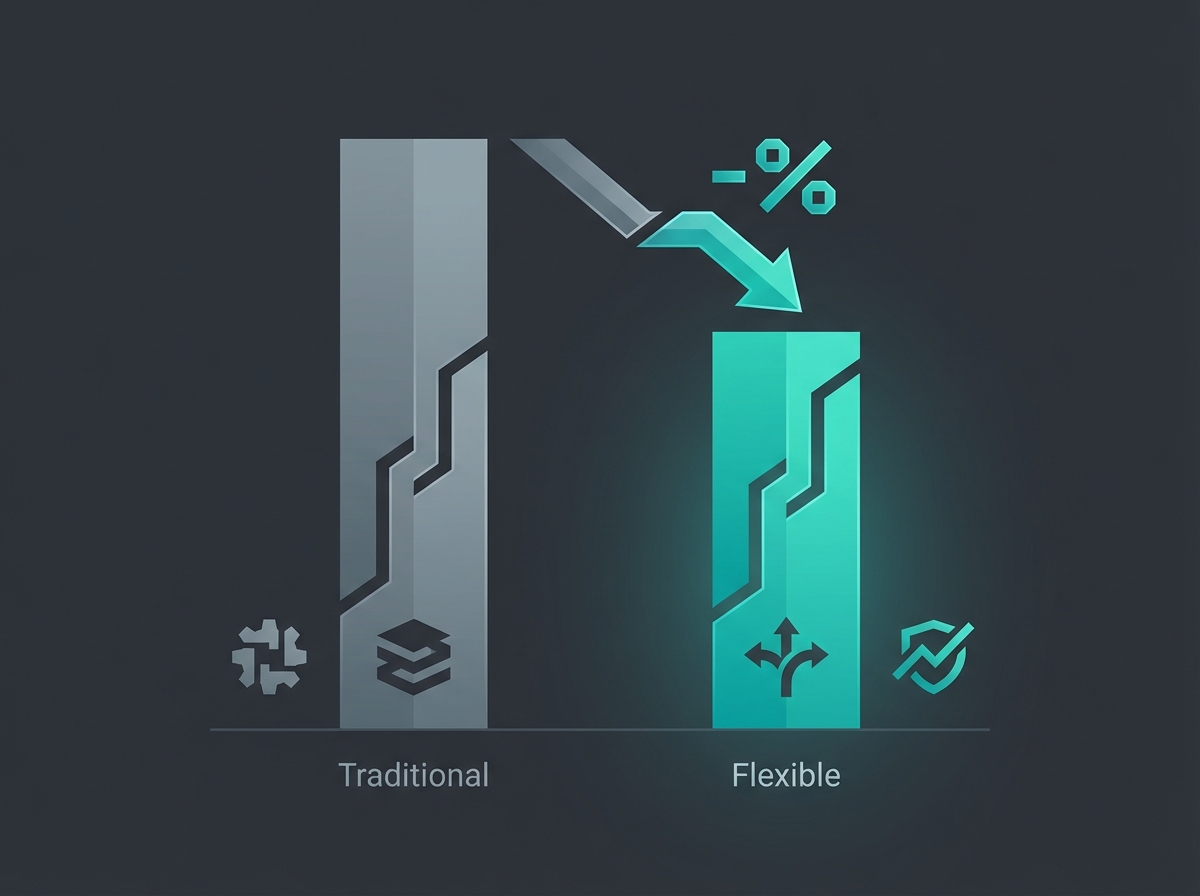
Partnering with 'HiveMind People', the organisation adopted a fluid resourcing model and assembled a team of seasoned transformation experts, including cloud architects, regulatory consultants, and programme managers and they were able to bring in and out the right skills and experience with ease, just for when it was needed whilst maintaining continuity of knowledge. This resulted in a seamless migration to a secure cloud platform, completed ahead of schedule and under budget. The flexible talent strategy saved the organisation ~20% in costs compared to traditional hiring models along with a significant reduction in knowledge loss and time to delivery.
Revolutionising Customer Experience for a Retail Giant
When a global retailer embarked on a mission to redefine its customer experience, it knew that innovation required diverse perspectives and skills. But sourcing this talent internally would have taken months.
Accessing a tailored solution to build a multidisciplinary team of user experience designers, data analysts, and marketing strategists as a team, that could work seamlessly alongside the retailer's internal staff to design and implement a customer journey framework, resulted in a boost in customer satisfaction scores by 35% within six months. A 'fluid' or flexible resourcing approach not only expedited the project but also embedded a culture of collaboration and innovation, as opposed to traditional resourcing models which see much higher waste and loss of knowledge when contracts end.


Driving Post-Merger Integration for a Technology Company
Post-merger integration is notoriously complex, requiring expertise in operations, culture alignment, and technology consolidation. A global technology company turned to flexible resourcing to navigate these challenges efficiently.
Utilising a flexible network of experts approach, with support targeted around outcomes rather than day rates and contract length, cultural integration specialists and IT transformation consultants worked via a flexible model which allowed the organisation to scale resourcing up and down as needed, reducing contractor overheads by 25% while achieving a successful integration within 12 months.
The Tangible Benefits of Flexibility
The above examples demonstrate the tangible benefits of a flexible talent strategy. Here are some key takeaways:
1. Faster Time-to-Value
By accessing the right talent at the right time, organisations can significantly reduce project timelines and accelerate outcomes.
2. Cost Efficiency
A flexible approach eliminates the overheads associated with permanent hiring, ensuring that resources are deployed only when needed.
3. Access to Niche Skills
With access to a global network of experts, organisations can tap into niche skills and emerging expertise without lengthy recruitment processes.
4. Enhanced Innovation
Bringing together diverse perspectives fosters creativity and drives innovation, leading to breakthrough solutions.
5. Improved Scalability
Flexible resourcing allows organisations to scale teams up or down in response to changing priorities, ensuring they remain agile and responsive.
The 'HiveMind People' Flexibility Model
At HiveMind People, flexibility isn't just a buzzword; it's the foundation of any partnership. Boasting the UK's largest consulting network, specialising in connecting organisations with the talent they need to achieve their goals, Here's what sets HiveMind apart:
- 01 A Vast Network of Expertise Our network includes over 2,500 professionals with expertise in innovation, change, and technology.
- 02 Bespoke Resourcing Solutions We don’t believe in one-size-fits-all solutions. Our team works closely with you to design resourcing strategies tailored to your unique needs.
- 03 Integrated Support Our consultants integrate seamlessly with your teams, ensuring a collaborative approach that delivers lasting results.
- 04 Proven Track Record With a history of delivering successful projects across industries, HiveMind People is a trusted partner.

How to Embrace Flexibility in Your Talent Strategy
1. Assess Your Needs
Identify the skills and expertise required for your current and future projects. Determine where gaps exist and how flexibility can address them.
2. Partner Strategically
Work with a trusted resourcing partner like HiveMind People to access a diverse pool of talent. Leverage their expertise to design a resourcing model that aligns with your goals.
3. Foster an Agile Culture
Encourage your teams to embrace flexibility and collaboration. Provide training and support to help them adapt to new ways of working.
4. Leverage Technology
Adopt tools and platforms that facilitate dynamic resourcing, such as talent marketplaces and project management software.
5. Monitor and Optimise
Regularly review your talent strategy to ensure it remains aligned with organisational objectives. Use data-driven insights to make continuous improvements.
Conclusion
At HiveMind People, we’re proud to lead the way in flexible resourcing, helping businesses navigate the challenges of today while preparing for the opportunities of tomorrow.
Are you ready to transform your talent strategy? Let’s connect. Together, we can build a future-ready workforce that drives your organisation’s success.
Connect with HiveMindWritten by HiveMind People
As the UK’s largest consulting network, HiveMind People specializes in connecting organizations with on-demand expertise to drive digital transformation, innovation, and strategic change.