


Organisations running multiple ERP systems across different divisions face a problem that traditional programme assurance can't see.
The issue isn't visible from any single vantage point. Each division reports green. Each vendor shows progress. Each stage gate gets passed.
Then the failures start appearing.
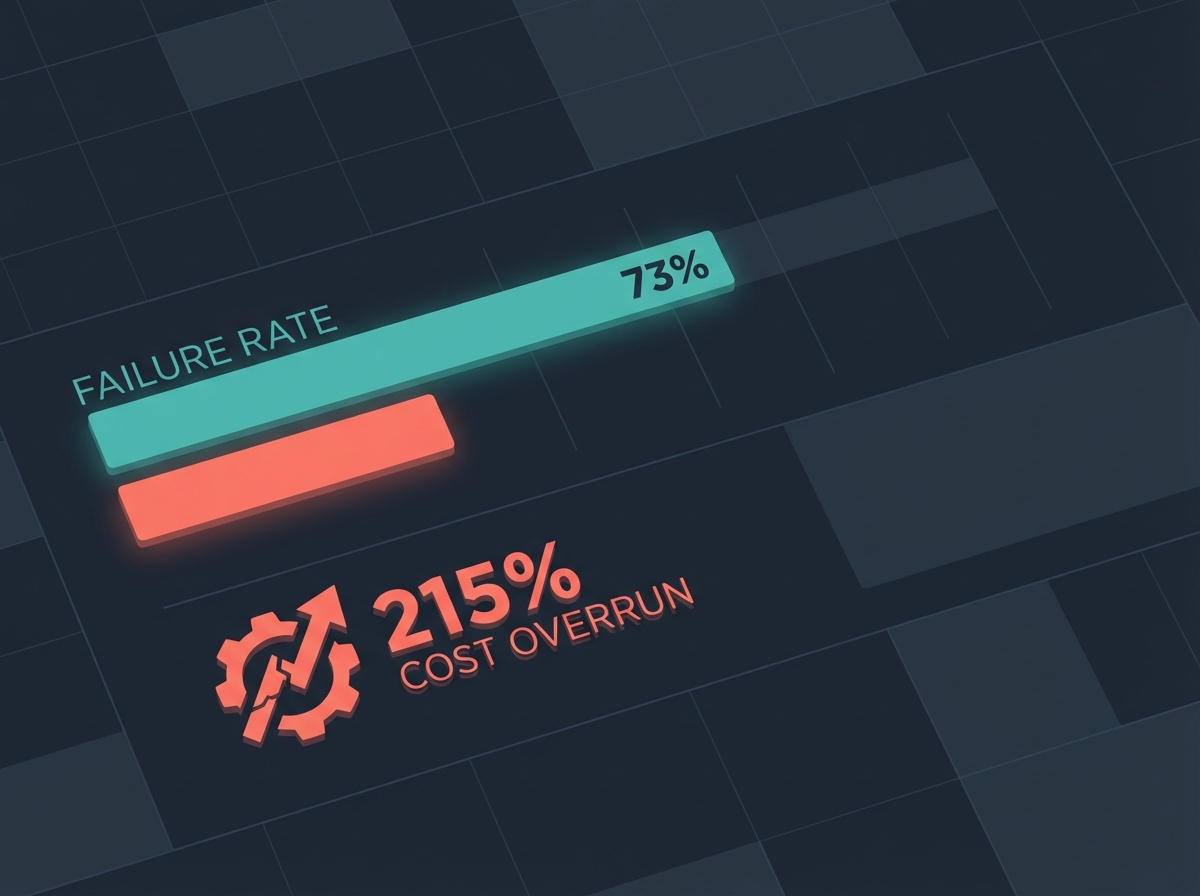
73% of discrete manufacturing ERP projects fail to meet their objectives, with average cost overruns reaching 215%. These aren't minor setbacks. They're career-defining failures for the leaders responsible.
In federated models, multiply that risk across every division.
Where Traditional Assurance Falls Short
Most organisations approach ERP assurance the same way they've always done it. Bring in a Big Four firm. Run quarterly reviews. Produce comprehensive reports. Tick the governance boxes.
The problem is timing.
By the time these reviews surface issues, you're months into delivery. The architecture is set. The data migration approach is locked in. The testing strategy is already behind schedule.
The most consistent pattern in troubled D365 implementations is simple: testing begins too late in the project timeline. Requirements gathering takes months. Solution design takes months. Configuration and customisation take months. By the time issues surface, they're expensive to fix and threaten timelines.
Traditional assurance operates on a schedule that doesn't match the reality of how programmes fail.
The Benefits Realisation Illusion
ERP systems are expensive and complex to implement. The typical benefits—improved financial visibility, cash flow management, revenue forecasting, the ability to manage cash across currencies and exploit exchange rate shifts—sound compelling in the business case.
But here's the problem: in a federated model with single-instance implementations at the business unit level, these benefits are constrained. They provide value to the FD and the P&L. They're financial engineering benefits.
They're invisible to the shop floor.

The average operator faces change. They have to learn a new way of doing things that will be imperfect, especially in the early months. The system that promises financial visibility to the C-suite delivers friction and frustration to the people actually running the operation.
This is where most ERP programmes fail. Not because the technology doesn't work. Because people don't adopt it.
And it's more than just training. It starts in design. With a unified why. With a clear line of sight from business unit strategy to the changes you're asking people to make.
When assurance teams focus purely on technical delivery or mapping to industry standards, they miss this entirely. The programme reports green. Benefits are forecast. But adoption never happens, and the financial benefits never materialise.
The Data Migration Trap
Here's what commonly gets overlooked: data migration isn't a technical task you schedule near the end. It's the thing that kills programmes.
Inefficiencies in migration execution are expected to waste approximately £100 billion over the next three years. That's not a typo. £100 billion going down the drain because organisations don't treat data migration with the seriousness it deserves.
Approximately 40% of ERP implementations exceed their budgets due to data migration complications. Nearly 30% fail to deliver expected benefits because of data quality issues.
In federated environments, this problem compounds. You're not migrating one dataset. You're migrating multiple datasets from different systems, with different data models, different quality standards, and different business rules.
Each division thinks their data is fine. Each vendor says they've done this before. Each project manager reports progress as planned.
Then you try to consolidate reporting across divisions and discover the product codes don't match. The customer records are duplicated. The financial hierarchies are incompatible.
The Vendor Optimism Problem
Commercial Interests
Vendors report progress optimistically to protect their interests. This isn't cynicism. It's how commercial relationships work when one party has a vested interest in continuing the engagement.
Neutral Insight
Independent assurance adds a layer of neutral insight that cuts through the optimism and surfaces the truth. You need people without a commercial interest in stretching the engagement out.
60% Faster Delivery
On average, independent reviews deliver assurance 60% faster than traditional approaches. We're talking 2-3 weeks, not 3-4 months.
The difference is focus. Traditional assurance reviews everything. Independent expert assurance targets the specific risks that matter for your programme at this moment.
What Actually Works
The organisations that succeed with federated ERP models don't rely on comprehensive quarterly reviews. They use targeted, expert-led interventions at critical moments.
But here's what you don't realise: identifying those critical moments in a global brand with a federated model is where most organisations stumble. The risk landscape is complex and multi-dimensional. You're not just managing technical delivery. You're managing strategy execution across autonomous business units, each with their own P&L, each with their own interpretation of what success looks like.
Critical moments aren't found in project plans. They're found at the intersection of strategy, value creation, and risk.
When a business unit adopts a single ERP instance, the benefits they're chasing—financial visibility, cash flow management, currency optimisation—live at the FD level. But the implementation risk lives with the people on the shop floor who have to change how they work. If your assurance process doesn't connect business unit strategy to implementation approach to adoption risk, you're measuring the wrong things.
D365 Test Review
Takes two weeks. Reviews approach, automation, and environment setup to spot gaps early.
Migration Deep Dive
Takes three weeks. Reviews profiling and transformation logic to prevent derailment.
Architecture Assessment
Takes two weeks. Reviews license overlap and technical debt with zero commercial bias.
These interventions cost a fraction of traditional assurance. They happen when you can still change course. They focus on the specific risks that kill programmes.
The Line of Sight Question
In federated models, the challenge isn't just assuring individual programmes. It's maintaining line of sight across all of them.
This is where Group Boards and assurance functions struggle. You're trying to bring together data from disparate systems—often multi-vendor, multi-instance implementations—to manage the Group's commitments and provide insights that drive improvement and mitigate risk.
It's a minefield.
You don't necessarily need a monolithic PMO to achieve this. You need precise assurance interventions at critical moments across your portfolio.
But those interventions only work if the assurance team extends past the purely technical. They need a strong grasp of business unit strategy. They need to map strategy to risk to ERP implementation strategy and benefits. They need to really understand programme dependencies.
Think about what you actually need to know. Are the data models compatible? Will the integrations work? Can you consolidate reporting? Are the testing approaches rigorous enough? More importantly: does the implementation strategy align with the business unit's actual strategy? Are the benefits you're forecasting connected to the changes people will adopt?
These questions don't require months of analysis. They require the right expert looking at the right thing at the right time.
Independent reviewers are effective at asking the right questions and challenging the usual ways of doing things. They spot potential issues or risks that might get missed or be hard for your team to raise on their own.
The Real Cost of Waiting
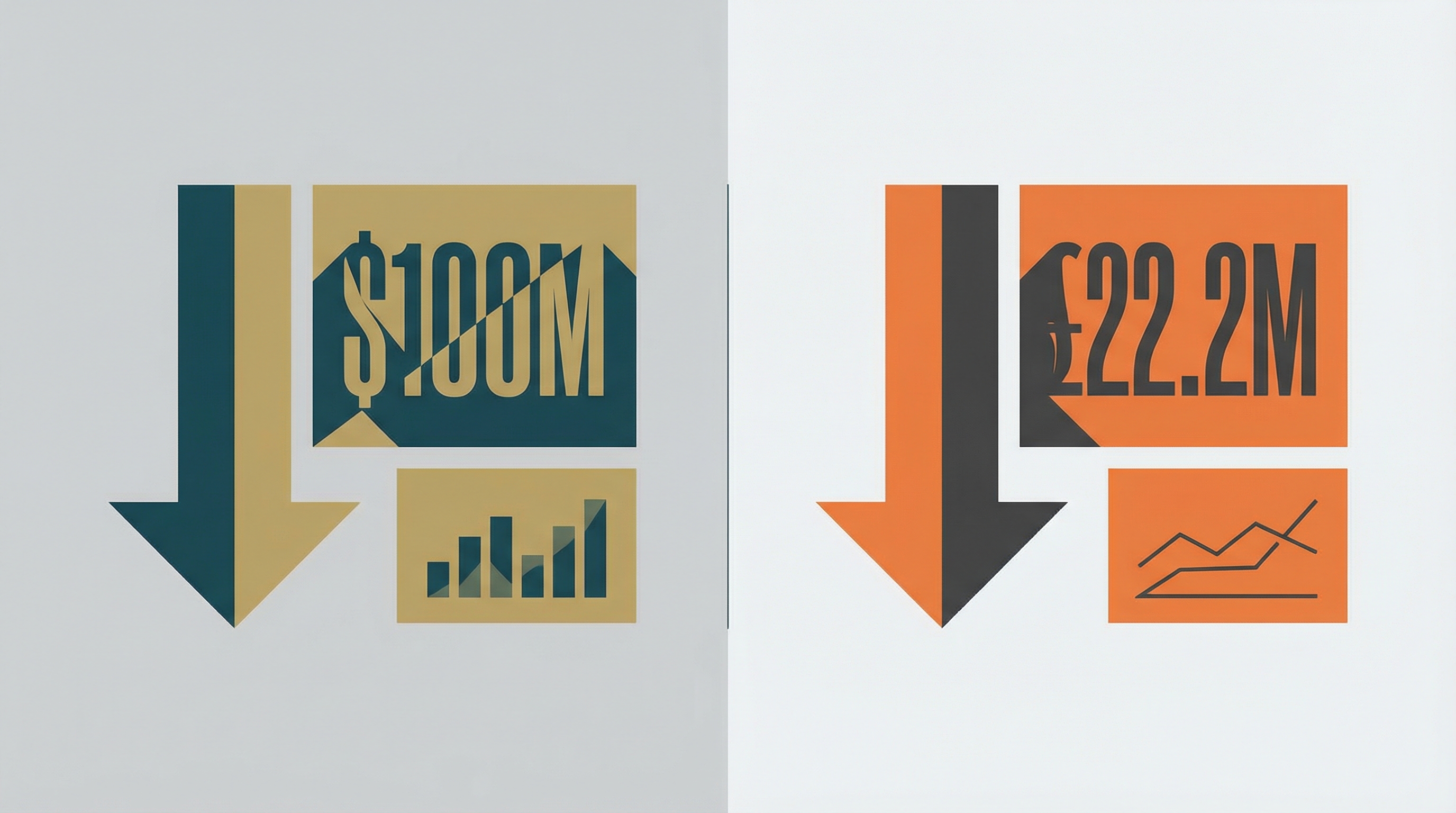
High-Stakes Failure. Nike and Mission Produce serve as critical reminders of the financial impact of poor ERP transitions.
Nike's new system resulted in $100 million in lost sales and a 20% drop in stock price when it couldn't fulfil orders for Air Jordan footwear. These aren't abstract risks. They're business-ending failures that happen to major brands.
Mission Produce saw a £22.2 million year-on-year drop in gross profit for the quarter following their ERP go-live. That's the kind of impact that gets C-level executives fired.
The pattern is consistent. Organisations wait for scheduled assurance reviews. Issues accumulate. By the time problems surface in formal governance, it's too late to fix them without massive cost and delay.
The alternative is simple. Bring in independent expertise early. Target the specific risks that matter. Act on what you find.
The opportunity to really help organisations realise value from ERP implementations and avoid the pitfalls isn't in governance processes. It's in a strong connection between strategy, value creation, and risk that structures your assurance priorities throughout the ERP design and implementation lifecycle.
You don't need perfect visibility across every programme. You need enough insight to spot the problems that will kill you, early enough to do something about them.
That's what independent programme assurance delivers. Not comprehensive reports. Not quarterly governance theatre. Just the truth about where your programmes stand, when you can still change course.
Written by
HiveMind Network
The HiveMind Network provides on-demand expertise for complex digital transformations, connecting global organisations with elite independent talent to solve critical strategic challenges.
In Collaboration With
 David Higgins